
Generative AI in Payments: Reconciliation, Disputes & Support
How generative AI improves payment reconciliation, disputes, and customer support, plus architecture, risks, governance, roadmap, and 10 FAQs.
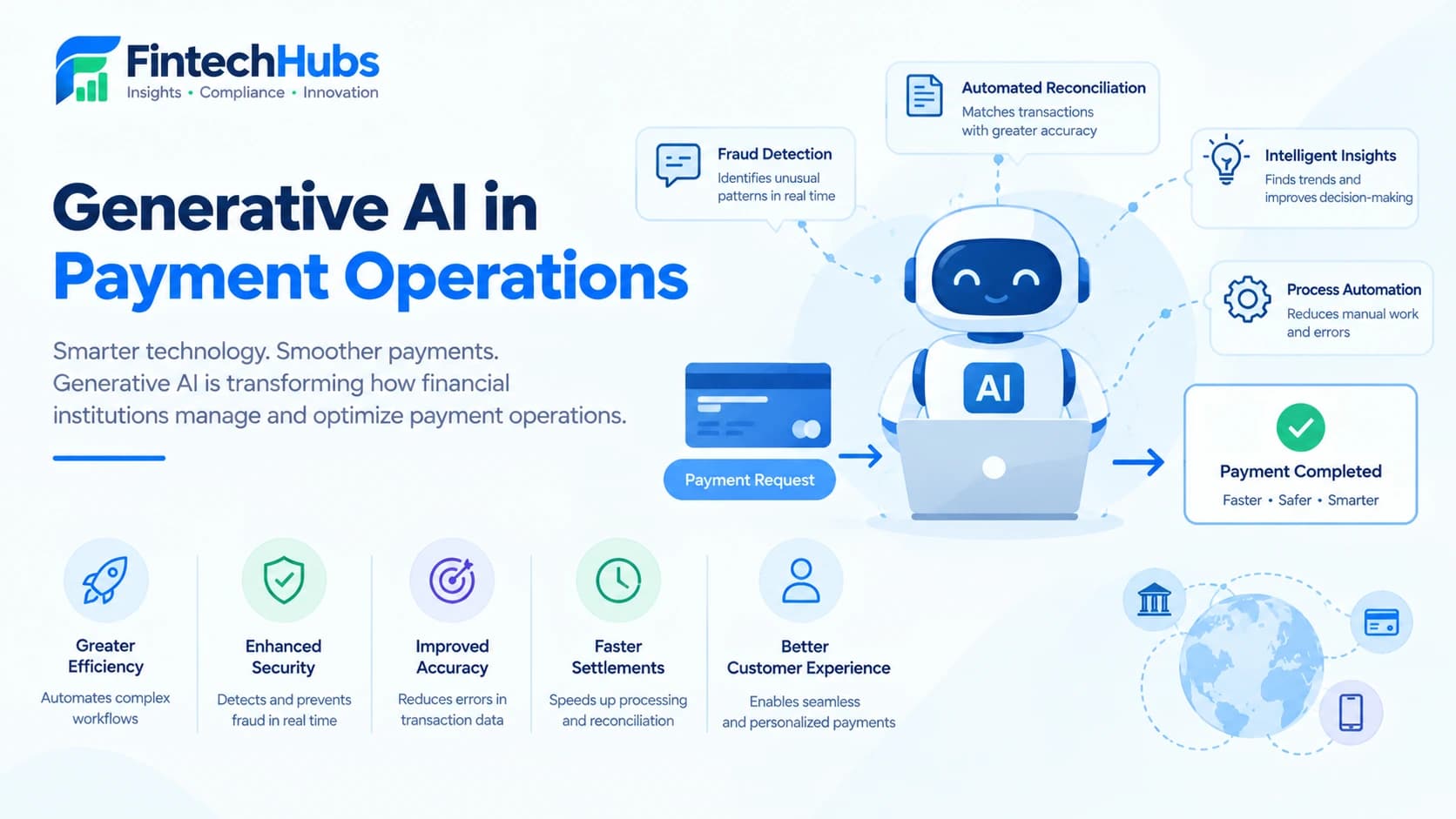
Generative AI in Payment Operations: Reconciliation, Disputes, and Customer Support
Payment operations is the unglamorous engine room of the financial system. Every card swipe, bank transfer, wallet top-up, and merchant payout generates data that must be matched, verified, investigated, and explained, often across systems that were never designed to talk to each other. Traditionally, this work has been handled by rules engines, spreadsheets, and large teams of analysts and agents.
Generative AI, meaning large language models and related systems that can read, reason over, and produce text, is changing the economics of this work. Unlike earlier automation, which required structured inputs and rigid logic, generative AI can interpret messy documents, explain discrepancies in plain language, draft evidence packages, and hold natural conversations with customers.
This article examines three of the highest-value use cases (reconciliation, dispute management, and customer support), and then covers architecture, governance, risk, implementation, and measurement. The central argument is simple: generative AI works best in payment operations as a supervised co-worker, not an unsupervised decision-maker. Organizations that pair it with deterministic controls, strong data foundations, and human accountability will capture the benefits while managing the real risks.
Why Payment Operations Is Ready for Generative AI
1.1 The nature of the work
Payment operations combines three characteristics that make it a natural fit for generative AI:
High volume, high variety: Millions of transactions flow through multiple rails (cards, bank transfers, instant payments, wallets), each with its own formats, timelines, and exception codes.
Unstructured information at the edges: Core transaction data is structured, but the work of resolving problems depends on emails, PDFs, merchant notes, chat transcripts, bank statements, and scheme documentation.
Judgment-heavy exceptions: The majority of items may match automatically, but the remaining exceptions consume a disproportionate share of human effort.
1.2 Where earlier automation fell short
Rules-based reconciliation and robotic process automation (RPA) delivered real gains, but they struggle when formats change, references are truncated, or a case requires reading a document. Classic chatbots handled simple FAQs but failed on nuanced, multi-step customer problems. Generative AI addresses precisely these gaps: ambiguity, language, and context.
1.3 What generative AI is, and is not
Generative models are probabilistic. They produce likely, fluent outputs rather than guaranteed correct ones. This distinction is the foundation of responsible deployment: use generative AI to interpret, summarize, propose, and communicate; use deterministic systems to calculate, verify, and execute.
Reconciliation
2.1 The reconciliation challenge
Reconciliation is the process of confirming that records from different sources agree: the internal ledger, the payment processor, the acquirer, the bank, the scheme, and the merchant. Typical breaks arise from:
Timing differences (authorization versus capture versus settlement)
Currency conversion and rounding differences
Fee and interchange discrepancies
Partial captures, refunds, and chargebacks
Missing, duplicated, or truncated reference numbers
Batch-level versus transaction-level mismatches
File format changes from counterparties
A conventional engine matches on exact keys and tolerance rules. What remains, the exceptions queue, is where analysts spend most of their time.
2.2 Where generative AI adds value
a) Intelligent exception matching: Models can propose likely matches for unmatched items by reasoning across fuzzy references, amounts, dates, counterparties, and narrative fields. For example, a bank statement line reading a truncated merchant name with a settlement reference can be linked to the right internal batch, with the model explaining its reasoning.
b) Break classification and root-cause explanation: Instead of presenting analysts with a raw difference, the system can categorize the break (timing, fee, FX, duplicate, missing) and write a plain-language explanation: what differs, by how much, and the most probable cause.
c) Document and statement ingestion: Counterparty statements arrive as PDFs, spreadsheets, or semi-structured emails. Generative AI can extract fields, normalize formats, and map new layouts without weeks of template engineering.
d) Rule suggestion and maintenance: By analyzing repeated manual resolutions, models can propose new matching rules for human approval, gradually shrinking the exceptions queue.
e) Narrative reporting: Month-end and audit commentary, such as why a suspense account carries a given balance, can be drafted automatically from the underlying data, with citations to the records used.
f) Natural-language investigation: Analysts can ask questions such as “Show all unmatched settlements from this acquirer over the last five days with a fee variance” and receive results, provided the model translates queries into controlled, auditable database operations.
2.3 A reference workflow
Ingest files and feeds from all sources into a governed data layer.
Match deterministically using exact keys and approved tolerance rules.
Route exceptions to the AI layer.
Propose matches, classifications, and explanations with confidence scores and evidence.
Validate each proposal against deterministic checks (amount, currency, date window, account).
Auto-resolve only low-risk, high-confidence categories within defined limits; escalate the rest to analysts.
Post adjustments through existing, permissioned ledger workflows, never directly from the model.
Log every step for audit.
2.4 Design principles
The model never moves money or posts entries on its own: It proposes; controlled systems execute.
Every proposal carries evidence: the specific records and fields that support it.
Confidence thresholds are set per break type: and tightened for high-value or sensitive items.
Feedback loops: analyst corrections become labeled data for evaluation and tuning.
2.5 Pitfalls
Treating fluent explanations as proof. A confident, wrong explanation is more dangerous than an obvious error.
Letting the model perform arithmetic. Totals, tolerances, and balances should be computed by code.
Ignoring data lineage. Without traceability, auditors cannot rely on outputs.
Disputes and Chargebacks
3.1 The dispute lifecycle
A dispute begins when a cardholder or account holder challenges a transaction. For card payments, a typical lifecycle includes:
The customer contacts the issuer to dispute a charge.
Issuer validates eligibility and raises a chargeback under a scheme reason code.
Acquirer and merchant receive the chargeback and decide whether to accept or contest.
Merchant submits representation evidence.
The issuer reviews; the case may proceed to pre-arbitration or arbitration.
Final liability is assigned and funds are settled accordingly.
Each stage has strict deadlines, scheme-specific rules, and documentation requirements. Missing a deadline or submitting weak evidence typically means a lost case.
3.2 Pain points
Volume and seasonality, with spikes after holidays and promotions.
Complex rule sets that vary by scheme, reason code, region, and transaction type.
Evidence assembly across order systems, shipping records, authentication logs, and customer communications.
Inconsistent quality: representment narratives vary with analyst skill and workload.
First-party misuse, sometimes called friendly fraud, which is difficult to distinguish from legitimate claims.
3.3 Where generative AI adds value
a) Intake and triage: Models can read a customer’s free-text complaint, identify the underlying issue (unrecognized charge, item not received, duplicate, subscription cancelled, defective goods), and map it to the appropriate reason code and process path.
b) Eligibility and policy checks: By reasoning over scheme and internal policy documents using retrieval, the system can flag whether time limits, transaction types, and conditions are met, citing the clause relied upon.
c) Evidence compilation: For merchants and acquirers, AI can gather the relevant artifacts (receipts, delivery confirmation, device and IP data, authentication results, prior undisputed transactions, customer correspondence) and organize them against the reason code’s requirements.
d) Representment drafting: The model can draft a clear, factual, well-structured response that addresses the specific reason code, references the attached evidence, and follows a house style. Humans review and submit.
e) Win-likelihood and prioritization: Combining historical outcomes with case features, teams can prioritize effort on cases where contesting is economically sensible and accept those where it is not.
f) Pattern detection: Summarizing clusters of disputes by merchant, product, descriptor, or issuer can reveal root causes such as confusing billing descriptors, fulfillment delays, or emerging fraud rings.
g) Customer communication: Dispute status updates, requests for information, and outcome explanations can be drafted in empathetic, plain language and localized.
3.4 Human-in-the-loop checkpoints
Disputes carry financial liability and, in many jurisdictions, consumer-protection obligations. Recommended checkpoints:
Human approval before any representation is submitted, at least initially.
Human review of any case above a value threshold or flagged for potential fraud.
Mandatory review of any AI-generated statement of fact against source records.
Sampling-based quality audits of auto-processed low-risk cases.
3.5 Risks specific to disputes
Fabricated evidence or claims: A model must never assert a fact that is not present in source records. Drafts should be constrained to verified data fields and attached documents.
Bias in prioritization: Win-likelihood models trained on historical outcomes can encode unfair patterns; fairness reviews are essential.
Regulatory timelines: Consumer-rights rules may impose response and provisional-credit timelines that automation must respect.
Customer Support
4.1 Why payments support is hard
Payment-related inquiries are emotionally charged because money is involved, and they are often urgent. Common contact reasons include:
“Where is my payment or refund?”
“Why was I charged twice?”
“I don’t recognize this transaction.”
“Why was my payment declined?”
“How do I dispute a charge?”
“When will my payout arrive?”
Answers usually depend on live transaction data, multiple internal systems, and policy nuances, which is why generic chatbots historically disappointed.
4.2 Where generative AI adds value
a) Conversational self-service with real data access: When connected securely to transaction, ledger, and case systems, an AI assistant can answer “Where is my refund?” with specifics: when it was initiated, its current status, and the expected date, rather than generic text.
b) Agent assist: For human agents, AI can summarize the customer’s history, surface relevant transactions, suggest next steps, retrieve policy snippets, and draft replies. This often delivers faster gains than full automation because humans remain in control.
c) Decline and error explanation: Technical response codes can be translated into clear, actionable guidance (check card details, contact the issuing bank, try another method) without exposing sensitive risk logic.
d) Case summarization and handoff: When a conversation escalates, the model produces a concise summary so customers do not repeat themselves.
e) Multilingual and omnichannel support: One underlying capability can serve chat, email, and messaging channels across languages, with consistent tone and policy adherence.
f) Proactive communication: Systems can notify customers of delayed settlements, failed payouts, or expected dispute outcomes before they contact support, reducing inbound volume.
g) Knowledge management: AI can keep internal knowledge bases current by identifying gaps and drafting articles from resolved cases.
4.3 Guardrails for customer-facing AI
Identity verification first: The assistant must not disclose account-specific information before appropriate authentication.
Grounding: Answers about status, amounts, and policy should come only from retrieved system data or approved documents, with a refusal path when information is missing.
Clear scope limits: Define what the assistant may do (explain, initiate a dispute form, request documents) and what it may not (approve refunds above limits, change account details without step-up verification).
Transparent disclosure: Customers should know they are interacting with AI and have an easy route to a human.
Vulnerable-customer handling: Detect distress, fraud victimhood, or hardship signals and escalate appropriately.
Social-engineering resistance: Fraudsters will try to manipulate assistants through prompt injection or impersonation; defenses must be built in.
Reference Architecture
A robust deployment typically includes the following layers:
Layer | Purpose | Key considerations |
|---|---|---|
Data foundation | Unified, governed access to ledgers, processor files, case data, and documents | Data quality, lineage, access controls |
Retrieval layer | Supplies the model with relevant policies, scheme rules, and case context | Freshness, versioning of rules, citation of sources |
Model layer | Language understanding and generation | Model selection, privacy terms, cost and latency |
Orchestration and tools | Lets the model call approved functions (look up transaction, create case, draft letter) | Least-privilege permissions, input validation |
Deterministic controls | Calculations, limits, rules, and approvals | Independent of the model |
Human workflow | Review queues, approvals, escalation | Clear ownership and service levels |
Observability and audit | Logging, monitoring, evaluation | Reproducibility, retention, explainability |
Key architectural patterns:
Retrieval-augmented generation (RAG) to ground outputs in current, authoritative documents.
Tool use with strict schemas, so the model requests actions through controlled interfaces rather than free-form access.
Separation of duties, where the system that proposes an action is not the one that approves or executes it.
Data minimization and masking, so sensitive card and personal data are tokenized or redacted before reaching the model wherever possible.
Governance, Risk, and Compliance
6.1 Principal risks
Risk | Description | Mitigation |
|---|---|---|
Hallucination | Plausible but incorrect statements | Grounding, validation, human review, refusal behavior |
Data privacy and security | Exposure of cardholder or personal data | Tokenization, masking, access controls, vendor due diligence |
Prompt injection | Malicious content in emails or documents manipulating the model | Input sanitization, tool permissioning, output checks |
Model drift | Performance changes as data or models change | Continuous evaluation, versioning, regression tests |
Bias and unfair outcomes | Systematically worse results for certain groups | Fairness testing, diverse evaluation sets, oversight |
Over-reliance | Staff accept outputs without scrutiny | Training, sampling audits, accountability |
Third-party concentration | Dependence on a single provider | Exit plans, multi-vendor strategy, contractual protections |
Regulatory non-compliance | Breaches of consumer, data, or payments rules | Compliance-by-design, legal review, documentation |
6.2 Regulatory landscape (general view)
Requirements differ by jurisdiction and role, so organizations should consult legal and compliance specialists. Common themes include:
Payment data security standards, such as PCI DSS, governing cardholder data handling.
Data protection laws, such as GDPR and similar regimes, covering lawful basis, minimization, retention, and rights over automated decisions.
Consumer protection rules on dispute handling, error resolution timelines, and fair treatment.
Operational resilience and outsourcing expectations for financial institutions using third-party technology.
Emerging AI-specific regulation and supervisory guidance emphasizing risk management, transparency, and human oversight.
Scheme rules from card networks, which prescribe dispute procedures and evidence standards.
6.3 A practical governance model
Inventory every AI use case, owner, data used, and risk tier.
Classify by impact: informational (low), advisory (medium), or action-taking (high).
Apply proportionate controls, with greater testing, approvals, and monitoring for higher tiers.
Document purpose, limitations, training and evaluation data, and fallback procedures.
Monitor accuracy, complaints, overrides, and incidents; report to a risk committee.
Review periodically and after any material change in model, data, or regulation.
Implementation Roadmap
Phase 1: Foundation (typically 1-3 months)
Select two or three high-volume, lower-risk use cases (for example, exception explanation, agent assist, dispute triage).
Assess data readiness and clean up critical sources.
Establish governance, security review, and evaluation criteria.
Build an evaluation set from real historical cases with known correct outcomes.
Phase 2: Assisted pilot (typically 3-6 months)
Deploy with humans reviewing every output.
Measure accuracy, time saved, and user satisfaction against baselines.
Collect corrections and refine prompts, retrieval, and rules.
Phase 3: Controlled automation (typically 6-12 months)
Allow auto-resolution for narrowly defined, low-risk categories with strict limits.
Expand customer-facing capabilities with authentication and scope controls.
Integrate monitoring and alerting into operations dashboards.
Phase 4: Scale and optimize (ongoing)
Extend to additional rails, regions, and products.
Reuse components such as retrieval, logging, and evaluation harnesses.
Continuously reassess model choices, costs, and controls.
Success factors
Executive sponsorship paired with operational ownership
Close collaboration between operations, engineering, risk, and compliance
Change management and training, as roles shift from processing to supervising and analyzing
Realistic expectations: incremental, measurable wins beat sweeping transformation promises
Measuring Value
8.1 Metrics by domain
Reconciliation
Auto-match rate and exception rate
Average age of unresolved breaks
Time to close at month-end
Analyst hours per thousand exceptions
Value of unreconciled items and write-offs
Disputes
Time to respond versus deadline (and missed-deadline rate)
Representment win rate and recovered value
Cost per dispute handled
Dispute-to-transaction ratio by merchant or product
Evidence completeness score
Customer support
First-contact resolution
Average handle time and containment rate (without sacrificing satisfaction)
Customer satisfaction and effort scores
Escalation and re-contact rates
Quality and compliance audit scores
Cross-cutting
Accuracy against evaluation sets
Human override rate
Incident and near-miss counts
Cost per task, including model usage and oversight
8.2 Build a fair baseline
Before deployment, record current performance. Compare like for like, adjusting for seasonality and volume. Include hidden costs such as review time, tooling, and governance, so reported savings are credible.
Illustrative Scenarios
These scenarios are hypothetical and intended only to illustrate how the pieces fit together.
Scenario A: Reconciliation exception: A daily settlement file shows a shortfall against the ledger for one acquirer. The AI layer identifies that three transactions were settled in a different currency than recorded, computes nothing itself but flags the affected records, and explains that the variance aligns with a rate applied at settlement. A deterministic check confirms the arithmetic, an analyst approves the adjustment, and the ledger is updated through the standard workflow.
Scenario B: Item-not-received dispute: A merchant receives a chargeback claiming non-delivery. The assistant retrieves the order, carrier tracking showing delivery, and the customer’s earlier correspondence acknowledging dispatch. It maps these to the evidence requirements for the reason code, drafts the response, and queues it for a specialist. The specialist verifies the facts and submits before the deadline.
Scenario C: Support inquiry: A customer asks why a refund has not appeared. After authentication, the assistant retrieves the refund record, sees it was issued five days ago, explains the typical time for the card issuer to post it, and offers a proof-of-refund document. The customer was satisfied; no human contact was required.
Common Mistakes to Avoid
Starting with the riskiest use case: Begin with advisory, internal-facing tasks.
Skipping data cleanup: Models amplify poor data quality.
Using the model for calculations: Keep arithmetic and limits in code.
No evaluation before launch: Without a test set, you cannot know whether it works.
Ignoring the human side: Staff need training, clear roles, and trust in the tools.
Weak vendor scrutiny. Examine data usage terms, retention, security, and resilience.
Measuring only cost savings: Quality, compliance, and customer experience matter equally.
Treating deployment as finished: Models, data, rules, and fraud tactics all evolve.
The Road Ahead
Several trends are likely to shape the next phase of generative AI in payment operations:
Agentic workflows that coordinate multiple steps across systems under tight supervision and permissioning.
Real-time and continuous reconciliation, driven by instant payment rails and always-on settlement.
Smaller, specialized models running in controlled environments to address privacy and cost concerns.
Richer multimodal inputs, including scanned documents, images of receipts, and voice interactions.
Standardized evaluation and assurance practices as regulators and industry bodies mature their expectations.
Machine-to-machine disputes and communication between institutions, reducing manual correspondence.
The constants will be accountability, evidence, and trust. Technology will change how work is done, but the obligation to handle customers’ money accurately and fairly will not.
Frequently Asked Questions (FAQs)
1. What is generative AI in the context of payment operations?
It refers to AI models that can understand and produce language and other content, applied to tasks such as explaining reconciliation breaks, drafting dispute responses, summarizing cases, and answering customer questions. It complements, rather than replaces, rules engines and core payment systems.
2. How is generative AI different from traditional automation like RPA or rules engines?
Traditional automation follows predefined steps and needs structured inputs. Generative AI can interpret unstructured content, handle variations in format and wording, and explain its reasoning in natural language. The best architectures combine both: deterministic systems for exact rules and calculations, generative AI for interpretation and communication.
3. Can generative AI fully automate reconciliation?
Not entirely, and it should not be expected to. It can significantly reduce manual effort on exceptions by proposing matches and explanations, and it can auto-resolve narrow, low-risk categories under strict controls. Complex, high-value, or ambiguous items should remain subject to human review.
4. How does generative AI help with chargebacks and disputes?
It can triage incoming claims, map them to reason codes, check eligibility against policy documents, compile evidence, draft representment narratives, prioritize cases, and identify root-cause patterns. Humans typically review and approve submissions, especially in early stages.
5. Is it safe to let an AI assistant talk directly to customers about their payments?
It can be, if properly designed. Essential safeguards include identity verification, grounding answers in real system data, defined scope and limits, disclosure that the customer is talking to AI, easy escalation to a human, and defenses against manipulation and prompt injection.
6. What is a “hallucination,” and how do we prevent it in payment workflows?
A hallucination is an output that sounds plausible but is factually wrong or unsupported. Mitigation includes retrieval from authoritative sources, requiring citations to records, validating outputs with deterministic checks, restricting what the model may assert, allowing it to say “I don’t know,” and keeping humans in the loop for consequential decisions.
7. How do we protect sensitive cardholder and personal data when using these models?
Apply data minimization, tokenization and masking, strict access controls, encryption, and clear retention rules. Review vendor terms on data use and storage, consider private or regionally hosted deployments where appropriate, and align with PCI DSS and applicable data protection laws.
8. Which use case should we start with?
A good first project is internal, advisory, and high-volume, such as agent assist, reconciliation exception explanation, or dispute triage. These offer measurable benefits with lower risk than fully autonomous, customer-facing actions.
9. How do we measure ROI?
Establish baselines before launch and track metrics such as auto-match rate, time to close, dispute response timeliness and win rate, handle time, first-contact resolution, and customer satisfaction. Include the full cost picture (model usage, integration, oversight, and governance) and quality and compliance outcomes, not only labor savings.
10. Will generative AI replace payment operations staff?
More likely, it will change their roles. Routine data gathering, drafting, and summarizing will shrink, while investigation, exception judgment, quality assurance, vendor and model oversight, and customer-empathy work will grow in importance. Organizations that invest in reskilling are best positioned to benefit.
Share this article
Related Articles
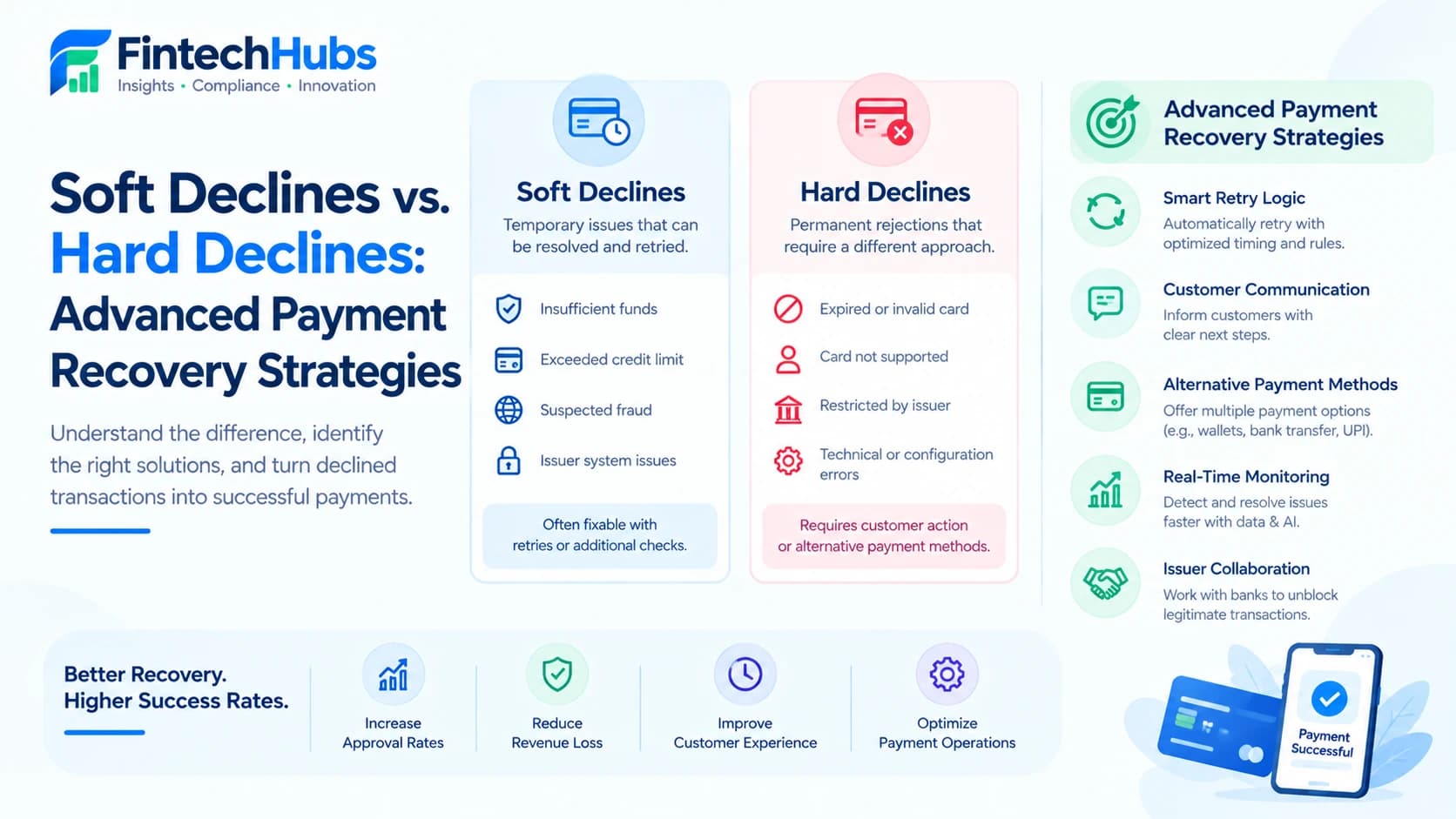
Soft vs Hard Declines: Advanced Payment Recovery Guide
Soft vs hard declines explained: Visa and Mastercard retry rules, smart retries, network tokens, 3-D Secure, dunning, recovery metrics, and 10 FAQs.
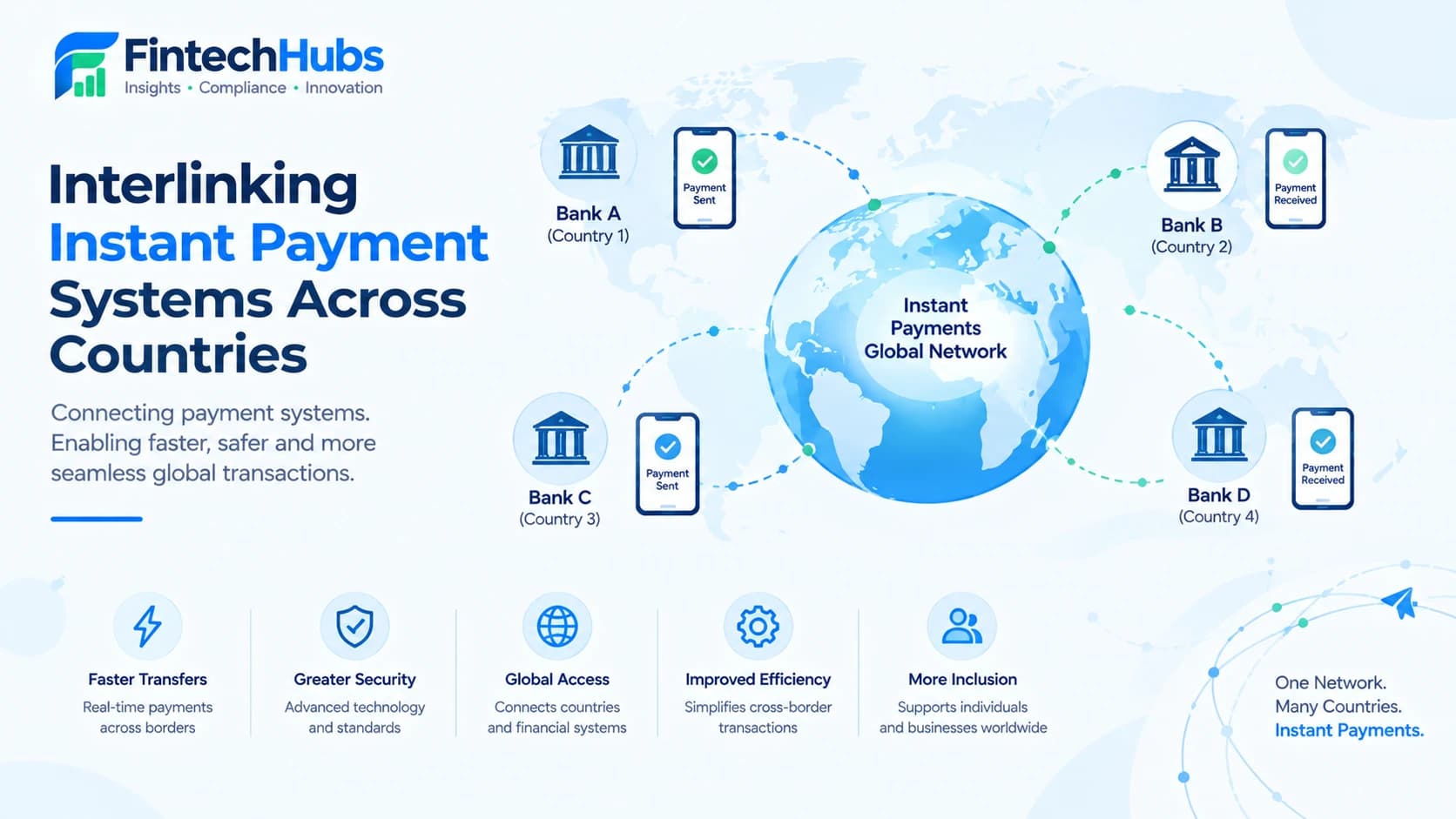
Interlinking Instant Payment Systems Across Countries
How countries link instant payment systems: bilateral links, Nexus, UPI-PayNow, risks, compliance, operations, a rollout roadmap, and 10 FAQs.
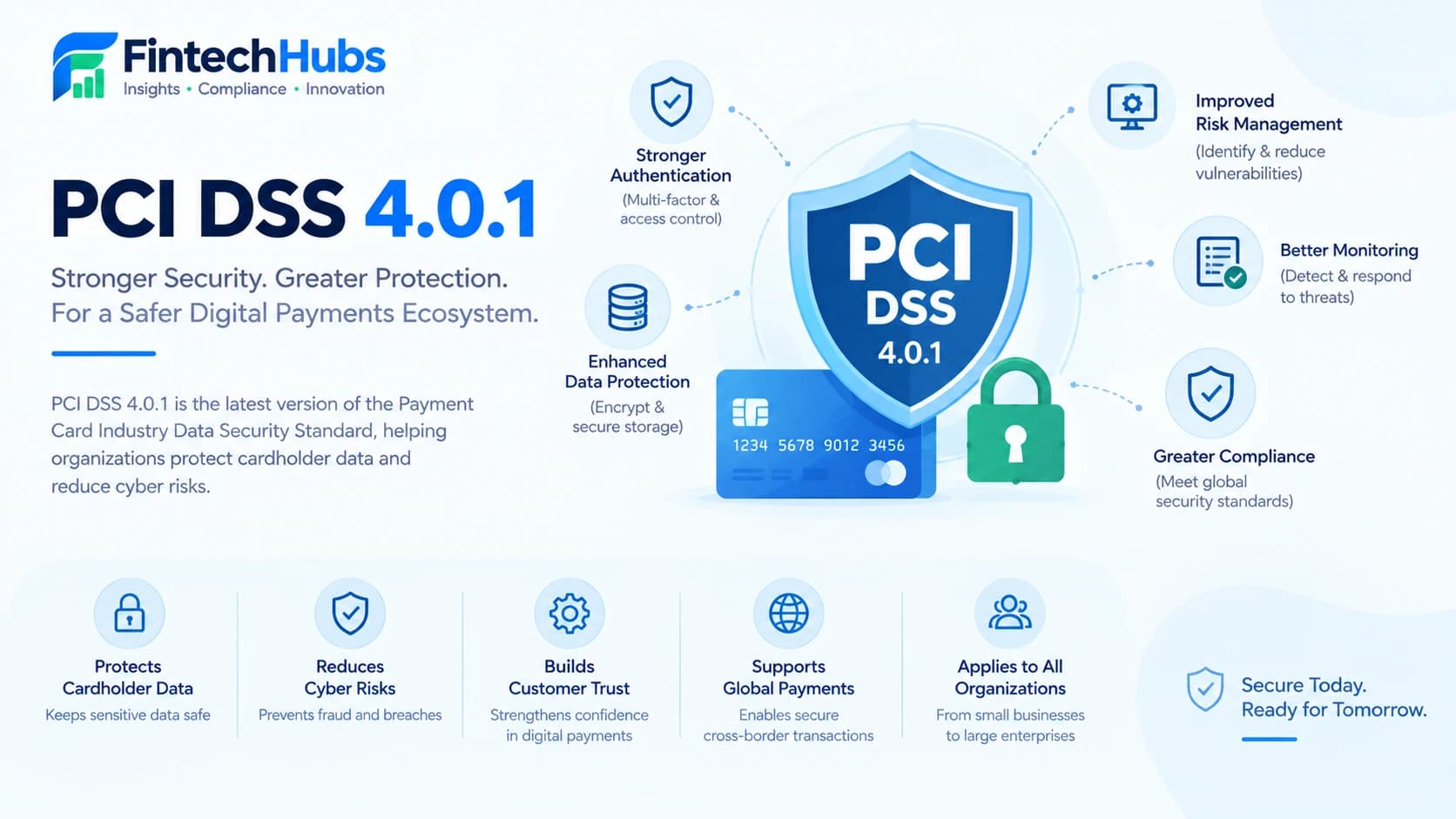
PCI DSS 4.0.1: Technical Requirements for Modern Payments
PCI DSS 4.0.1 explained: 12 requirements, MFA, payment page scripts, cloud and API compliance, scope reduction, a rollout roadmap, and 10 FAQs.