
Cross-Border Payments: Technology, Networks & Costs Guide
Explore cross-border payments settlement networks like SWIFT, what drives costs, key technologies, regulations, and the future of global money movement.
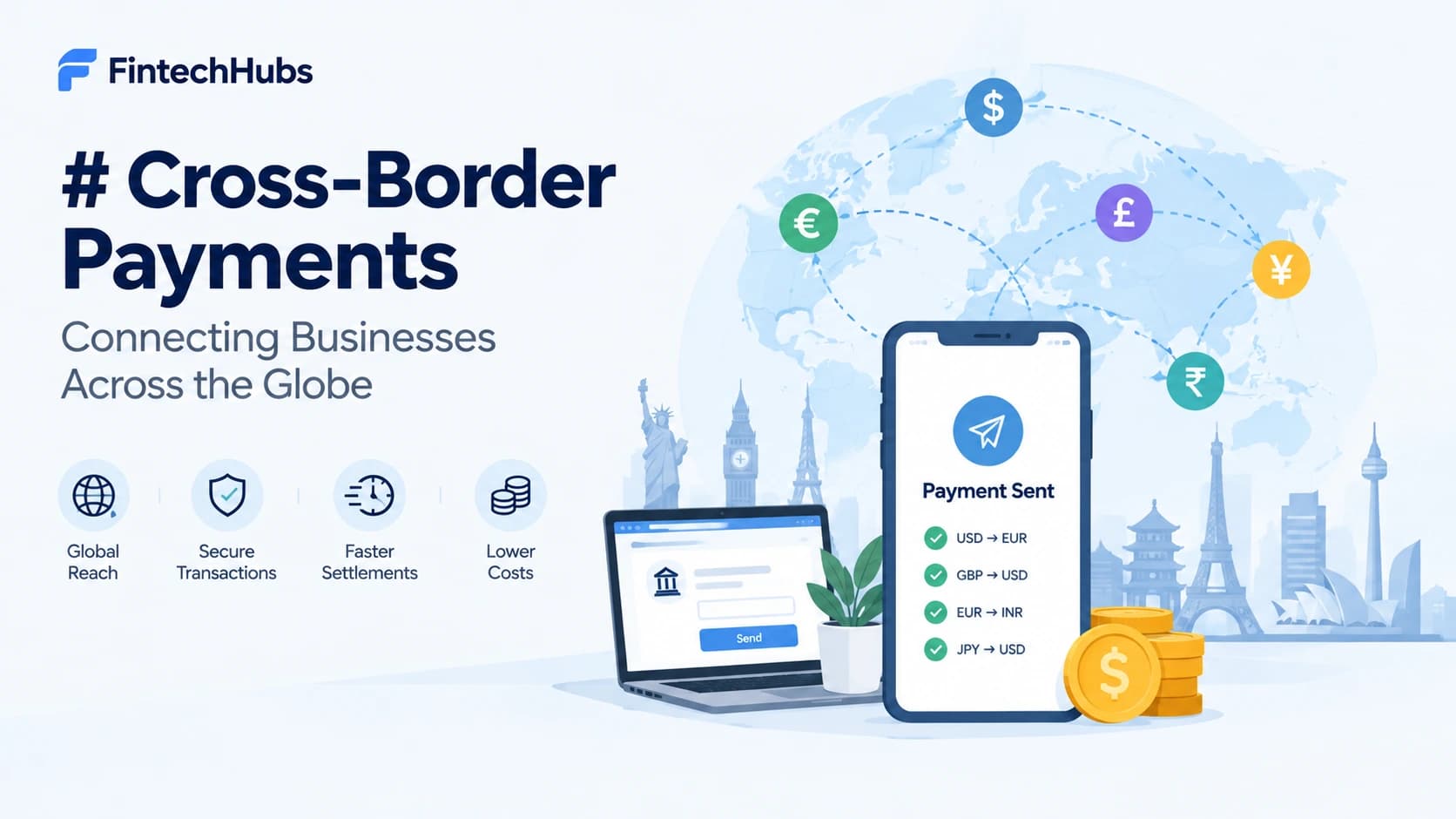
Cross-Border Payments: Technology, Settlement Networks, Costs, and the Future of International Money Movement
Moving money across a border has always been harder than moving it across the street. A domestic payment travels through a single banking system, under one set of rules, in one currency. A cross-border payment must cross all of that: different banking systems, different currencies, different regulatory regimes, and often a chain of intermediary banks that each take their own fee and their own time. For decades, this meant international payments were slow, expensive, and frustratingly opaque, with senders rarely able to say exactly when money would arrive or how much would be deducted along the way.
That is changing. New settlement networks, modernized messaging standards, fintech infrastructure providers, and growing interest in both digital currencies and interlinked real-time payment systems are reshaping how money moves internationally. This guide provides a complete, professional look at cross-border payments: what they are, how they work, the settlement networks and technologies involved, what drives their cost, why they matter, and where international money movement is heading.
What Are Cross-Border Payments?
Cross-border payments are financial transactions in which the sender and recipient are located in different countries, typically involving the conversion of one currency into another and the movement of funds across separate national banking systems. They range from a few dollars sent by a migrant worker to family back home, to multi-million-dollar settlements between corporations, to the vast flows of money moving through global trade, investment, and financial markets every day.
Unlike domestic payments, which typically move within a single regulatory and banking infrastructure, cross-border payments must navigate the connections, or lack of direct connections, between entirely separate national financial systems, each with its own currency, regulations, and banking relationships.
Why Cross-Border Payments Are Historically Slow and Expensive
Several structural factors have made international payments more complex than domestic ones:
Multiple intermediaries: Each additional bank a payment passes through can add processing time and fees, and in some cases, deduct charges from the transferred amount without full transparency to the sender.
Currency conversion: Converting between currencies introduces both a cost, often embedded in the exchange rate offered, and additional processing complexity.
Differing operating hours and banking days: Payments crossing time zones and differing national holidays can be delayed because the receiving institution's systems or staff are unavailable to process the transaction.
Varying regulatory and compliance requirements: Different countries impose different anti-money laundering, sanctions screening, and reporting requirements, all of which must be satisfied before a cross-border payment can be completed.
Legacy messaging and settlement infrastructure: Much of the traditional cross-border payments system relies on messaging and settlement processes developed decades ago, which were not originally designed for the speed and transparency modern users now expect.
How Cross-Border Payments Work
Step 1: Payment Initiation
The sender initiates a payment, typically through a bank, money transfer operator, or fintech payment provider, specifying the recipient, amount, currency, and destination country.
Step 2: Currency Conversion
If the payment involves different currencies, the sending institution or an intermediary converts the funds at a specific exchange rate, which may include a margin above the underlying market rate as part of how the service generates revenue.
Step 3: Routing Through the Correspondent Banking Network or Alternative Rails
Traditionally, the payment is routed through one or more correspondent banks, which hold relationships and accounts with both the sending and receiving banks' networks, passing the payment message and eventually the funds along the chain. Increasingly, payments may instead be routed through newer settlement networks, digital infrastructure providers, or interlinked real-time payment systems that reduce or eliminate this intermediary chain.
Step 4: Compliance and Screening Checks
At various points in the process, the payment is screened against sanctions lists and other compliance requirements, which can be performed by the sending institution, intermediary banks, or the receiving institution, depending on the specific payment rail used.
Step 5: Settlement
Funds are ultimately settled between the institutions involved, which may happen through correspondent bank account balances, a shared settlement network, or, in some newer models, through digital assets or interlinked payment infrastructure that supports faster settlement.
Step 6: Final Credit to Recipient
The receiving institution credits the funds to the recipient's account, converting to local currency if needed, and the transaction is complete.
Core Components of Cross-Border Payments Infrastructure
Correspondent banking relationships: The traditional network of bank accounts held by banks with one another to facilitate international payments
Payment messaging systems: Which carry the instructions and data describing a payment between institutions
Foreign exchange infrastructure: Handling the conversion between currencies at various points in the payment chain
Compliance and sanctions screening systems: Checking payments against relevant regulatory requirements before completion
Settlement mechanisms: Determining how and when the actual transfer of value between institutions is finalized
Local payment rails and last-mile delivery networks: Ensuring funds reach the recipient through the appropriate local banking or payment system in the destination country
Major Settlement Networks and Systems
This is a representative overview of key networks and systems involved in cross-border payments; specific features, coverage, and participants evolve over time, so readers should verify current details with official sources.
SWIFT (Society for Worldwide Interbank Financial Telecommunication): The dominant global messaging network connecting banks around the world, used to securely transmit payment instructions, though SWIFT itself does not move the actual funds.
SWIFT gpi (Global Payments Innovation): An enhancement to the traditional SWIFT network aimed at improving the speed, transparency, and traceability of cross-border payments.
Correspondent banking networks: The broader system of bilateral banking relationships that has traditionally underpinned much of global cross-border payment settlement.
Real-time gross settlement (RTGS) systems: National settlement systems, often operated by central banks, that can be linked or used in conjunction with cross-border payment processing.
Interlinked real-time payment systems: Emerging initiatives connecting separate national instant payment networks to allow faster cross-border transfers, particularly growing in regions such as Southeast Asia and parts of Europe.
Card network cross-border processing: International card networks that facilitate cross-border card payments and, in some cases, card-based money transfers.
Digital currency and stablecoin-based settlement: An emerging approach using blockchain-based digital assets as a settlement mechanism, aiming to bypass some of the friction of traditional correspondent banking.
Regional payment integration initiatives: Efforts in various parts of the world to create more unified cross-border payment infrastructure within a specific region, reducing friction for intra-regional transfers.
Branches and Types of Cross-Border Payments
A. Retail Remittances
Smaller, often recurring payments sent by individuals, such as migrant workers sending money to family in their home country, representing a massive global flow of funds and a significant focus of financial inclusion efforts.
B. Business-to-Business (B2B) Cross-Border Payments
Payments between companies for goods, services, and trade settlement, often involving larger amounts and more complex compliance requirements than retail remittances.
C. Cross-Border E-Commerce Payments
Payments made by consumers purchasing goods or services from merchants in other countries, requiring currency conversion and often multiple local payment method options to support conversion in different markets.
D. Treasury and Corporate Cross-Border Payments
Large-scale, often high-value transfers made by corporations for purposes such as payroll across international subsidiaries, intercompany settlements, and liquidity management across global operations.
E. Cross-Border Payroll and Gig Economy Payouts
Payments to remote employees, freelancers, and gig workers located in different countries from the paying business, an increasingly significant use case as remote work and global talent sourcing have grown.
F. International Trade Finance Payments
Payments connected to the financing and settlement of international trade transactions, often involving additional documentation and compliance requirements tied to the underlying trade activity.
G. Humanitarian and Government Disbursements
Cross-border payments made by governments, international organizations, and humanitarian agencies, which can carry particular urgency and face unique infrastructure challenges in reaching recipients in underserved or crisis-affected regions.
H. Investment and Capital Market Settlements
Cross-border payments supporting international investment activity, including securities settlement and capital flows between global financial markets.
Key Technologies Modernizing Cross-Border Payments
API-based fintech infrastructure: Allowing businesses to integrate cross-border payment capabilities without managing complex banking relationships directly
Blockchain and distributed ledger technology: Explored as a settlement mechanism that can potentially reduce the number of intermediaries and increase transaction transparency
Stablecoins and digital currencies: Used in some emerging models as a bridge currency or settlement mechanism to move value across borders more efficiently than traditional correspondent banking
ISO 20022 messaging standards: An increasingly adopted international standard that carries richer transaction data than older messaging formats, supporting improved transparency and compliance screening
Artificial intelligence and machine learning: Increasingly used for real-time fraud detection, compliance screening, and foreign exchange rate optimization within cross-border payment processing
Interlinked real-time payment systems: Connecting separate domestic instant payment networks to enable faster cross-border settlement
Multi-currency account infrastructure: Allowing businesses and, increasingly, individuals to hold and manage balances in multiple currencies, reducing the need for repeated conversion
Understanding the Cost of Cross-Border Payments
Cross-border payment costs typically come from several distinct sources, and understanding them helps explain why total costs can vary significantly between providers:
Explicit transfer fees: A stated fee charged by the sending institution or payment provider for processing the transaction
Foreign exchange margin: The difference between the exchange rate offered to the customer and the underlying market exchange rate, which can represent a significant, sometimes hidden, portion of the total cost
Intermediary bank fees: Charges deducted by correspondent banks along the payment chain, which can be difficult for the sender to predict or see in advance in traditional transfers
Receiving bank fees: Charges the recipient's institution may apply to incoming international payments
Speed-related pricing: As some providers charge more for faster processing or guaranteed same-day delivery
Volume and relationship-based pricing: Since businesses with significant payment volume can often negotiate more favorable rates than occasional individual senders
Newer fintech providers and modernized settlement networks have put significant competitive pressure on these traditional cost structures, often offering greater fee transparency and, in some cases, meaningfully lower total costs compared to traditional bank-based transfers.
Why Cross-Border Payments Matter
Enabling Global Trade and Commerce
Cross-border payments are the financial infrastructure underlying international trade, allowing businesses to buy and sell goods and services across borders and participate in the global economy.
Supporting Remittances and Financial Inclusion
Remittances represent a critical source of income for many families around the world, and more efficient, lower-cost cross-border payment infrastructure can meaningfully increase the amount of money that actually reaches recipients rather than being lost to fees.
Powering the Global Digital Economy
As cross-border e-commerce continues to grow, efficient international payment infrastructure has become essential for businesses selling to customers in other countries and for consumers purchasing from international merchants.
Enabling Global Workforces
As remote work and international hiring have expanded, reliable cross-border payment infrastructure has become essential for paying employees, freelancers, and contractors located around the world.
Supporting Economic Development
Efficient, lower-cost cross-border payment infrastructure can support economic development, particularly in markets that rely heavily on remittance flows or cross-border trade relationships.
Financial System Efficiency
Reducing the time, cost, and friction associated with cross-border payments contributes to broader global financial system efficiency, freeing up capital that would otherwise be held up in slow-moving transactions.
Industries and Use Cases
E-commerce and retail: Enabling businesses to sell internationally and process payments from customers around the world
Remittance services: Supporting individuals sending money to family and friends in other countries
Freelance and gig economy platforms: Paying a global workforce of freelancers and contractors
Import and export businesses: Settling payments for international trade transactions
Multinational corporations: Managing treasury operations, intercompany settlements, and global payroll
Financial institutions and investment firms: Supporting cross-border securities settlement and capital flows
Humanitarian and development organizations: Disbursing aid and support across international borders
Travel and hospitality: Processing international bookings and payments
Regulatory and Compliance Considerations
Cross-border payments involve navigating a complex and often varying set of regulatory requirements:
Anti-money laundering and counter-terrorism financing requirements: Which apply at multiple points in the payment chain and can vary significantly between the sending and receiving countries
Sanctions screening: Ensuring payments do not involve individuals, entities, or countries subject to international or national sanctions
Foreign exchange controls: As some countries impose restrictions on the amount or type of currency that can be sent or received across their borders
Know Your Customer (KYC) requirements: Requiring payment providers to verify the identity of both senders and recipients
Cross-border data transfer rules: As payment processing often involves transmitting personal and financial data across jurisdictions with differing data protection requirements
Tax reporting obligations: Which can apply to certain types and sizes of cross-border transactions depending on the countries involved
Licensing requirements: As payment providers often need specific licenses or regulatory approval to operate cross-border payment services in each jurisdiction they serve
Given the complexity and jurisdiction-specific nature of these requirements, businesses operating cross-border payment services typically need specialized legal and compliance expertise covering each relevant market.
Challenges and Limitations
Persistent cost and speed challenges: Despite significant modernization, cross-border payments in many corridors remain slower and more expensive than domestic payments, particularly for payments involving less commonly traded currencies or less developed banking infrastructure.
Lack of transparency in traditional systems: Senders using traditional correspondent banking channels often cannot predict exactly how much will be deducted in intermediary fees or precisely when funds will arrive.
Regulatory fragmentation: Differing compliance requirements across countries add complexity and cost to building and operating cross-border payment services.
Currency volatility risk: Fluctuations in exchange rates between the time a payment is initiated and when it settles can create cost uncertainty, particularly for larger transactions.
Limited infrastructure in some markets: Certain countries and regions still lack robust digital payment infrastructure, making it more difficult and costly to deliver funds to recipients in those markets.
Fraud and security risks: Cross-border payments can be targeted by various forms of fraud, including business email compromise schemes specifically designed to redirect international business payments.
Interoperability gaps: The diversity of national payment systems, regulatory frameworks, and technology standards creates ongoing interoperability challenges that slow the pace of full modernization.
Best Practices for Businesses Sending Cross-Border Payments
Compare total costs across providers, including both explicit fees and foreign exchange margins, rather than evaluating fees in isolation
Choose payment providers and methods appropriate to the specific corridor, currency, and payment size involved, since the most efficient option can vary significantly by destination
Maintain strong compliance processes, including sanctions screening and KYC verification, particularly for businesses operating payment services at scale
Consider multi-currency account solutions to reduce the frequency of currency conversion for businesses with recurring cross-border payment needs
Build in appropriate buffers for currency volatility when budgeting for cross-border payment obligations
Educate relevant staff about common cross-border payment fraud schemes, including business email compromise targeting international wire transfers
Monitor and track payment status using providers offering transparency and tracking capabilities, such as those built on modernized messaging standards
Stay informed about regulatory developments in the specific countries and corridors relevant to the business's cross-border payment activity
The Competitive and Vendor Landscape
The cross-border payments ecosystem includes traditional global banks maintaining extensive correspondent banking networks, specialized cross-border payment fintech companies offering API-based infrastructure and often more transparent, competitive pricing, money transfer operators focused specifically on retail remittances, card networks facilitating cross-border card transactions, digital currency and blockchain-based payment infrastructure providers, and payment orchestration platforms that help businesses manage multiple cross-border payment rails and providers through a single integration.
The Future of International Money Movement
Continued modernization of messaging standards: The ongoing global adoption of ISO 20022 is expected to continue improving the transparency, data richness, and compliance screening efficiency of cross-border payment messaging.
Growth of interlinked real-time payment systems: Expect continued expansion of initiatives connecting separate national real-time payment networks, gradually extending domestic instant payment speed to more cross-border corridors.
Expanding role of digital currencies and stablecoins: Digital currency-based settlement is expected to continue developing as an alternative or complement to traditional correspondent banking, particularly for specific corridors or use cases where it offers clear speed or cost advantages.
Central bank digital currency exploration: Many central banks around the world are exploring or piloting central bank digital currencies, some specifically examining their potential application to cross-border payment efficiency.
Increasing fintech disintermediation of traditional correspondent banking: Specialized fintech infrastructure providers are expected to continue capturing a growing share of cross-border payment volume by offering faster, more transparent, and often lower-cost alternatives to traditional bank-based transfers.
Greater regulatory harmonization efforts: International bodies and national regulators are expected to continue working toward greater consistency in cross-border payment-related compliance requirements, aiming to reduce friction while maintaining necessary safeguards.
AI-driven optimization: Expect continued growth in the use of artificial intelligence for real-time fraud detection, compliance screening, and foreign exchange rate optimization throughout the cross-border payment process.
Frequently Asked Questions
1. What is a cross-border payment?
A cross-border payment is a financial transaction in which the sender and recipient are located in different countries, typically involving currency conversion and movement of funds across separate national banking systems.
2. Why are cross-border payments often more expensive than domestic payments?
Costs typically come from a combination of explicit transfer fees, foreign exchange margins, and fees charged by intermediary banks along the payment chain, factors that generally do not apply to domestic payments processed within a single banking system.
3. What is correspondent banking, and why is it important for cross-border payments?
Correspondent banking refers to the network of relationships and accounts banks hold with one another across different countries, traditionally forming the backbone that allows payment instructions and funds to move between banks that do not have a direct relationship.
4. What is SWIFT, and does it actually move money?
SWIFT is a global messaging network used by banks to securely transmit payment instructions and related financial information. It does not itself hold funds or move money; rather, it carries the instructions that guide how payments move through the correspondent banking network.
5. How long do cross-border payments typically take to complete?
This varies significantly depending on the countries involved, the payment method used, and the specific providers and banks in the payment chain, ranging from nearly instant with some modern fintech or interlinked real-time payment solutions to several business days with traditional methods.
6. Are fintech companies cheaper than banks for cross-border payments?
In many cases, specialized fintech cross-border payment providers offer more transparent pricing and, for many corridors, lower total costs compared to traditional bank transfers, though this can vary depending on the specific countries, currencies, and payment amounts involved.
7. What role do stablecoins and digital currencies play in cross-border payments?
Some payment providers and financial institutions are exploring or using stablecoins and other digital currencies as a settlement mechanism intended to reduce the number of intermediaries and potentially increase the speed of cross-border transfers, though this remains an evolving and, in some jurisdictions, regulatory complex area.
8. What compliance requirements apply to cross-border payments?
Cross-border payments are typically subject to anti-money laundering requirements, sanctions screening, know-your-customer verification, and sometimes foreign exchange controls or tax reporting obligations, with specific requirements varying by the countries involved.
9. How can a business reduce the cost of sending cross-border payments?
Businesses can reduce costs by comparing total costs, including foreign exchange margins, across multiple providers, considering multi-currency account solutions to reduce conversion frequency, and choosing payment methods and providers suited to their specific payment corridors and volumes.
10. What is business email compromise fraud, and how does it relate to cross-border payments?
This is a type of fraud in which criminals impersonate executives, vendors, or trusted partners to trick a business into redirecting a legitimate international payment to a fraudulent account, a particular risk in cross-border B2B payments given the often larger transaction sizes and less familiar banking relationships involved.
Conclusion
Cross-border payments sit at the intersection of global trade, financial inclusion, and technological innovation, and the infrastructure supporting them is undergoing some of the most significant modernization in its history. The branches of this ecosystem, spanning retail remittances, business-to-business payments, cross-border e-commerce, treasury operations, and global payroll, all depend on the same underlying challenge: moving value reliably and efficiently across the seams between separate national financial systems. As modernized messaging standards, interlinked real-time payment networks, digital currencies, and specialized fintech infrastructure continue to mature, the historical trade-offs between speed, cost, and transparency in international money movement are steadily narrowing, bringing cross-border payments closer to the instant, low-friction experience that domestic payments increasingly offer.
This content is for informational and educational purposes only and does not constitute financial, legal, or compliance advice. Cross-border payment systems, regulations, and costs vary significantly by country and change over time. Readers and businesses should consult qualified professionals and verify current details with relevant financial institutions and official sources.
Share this article
Related Articles
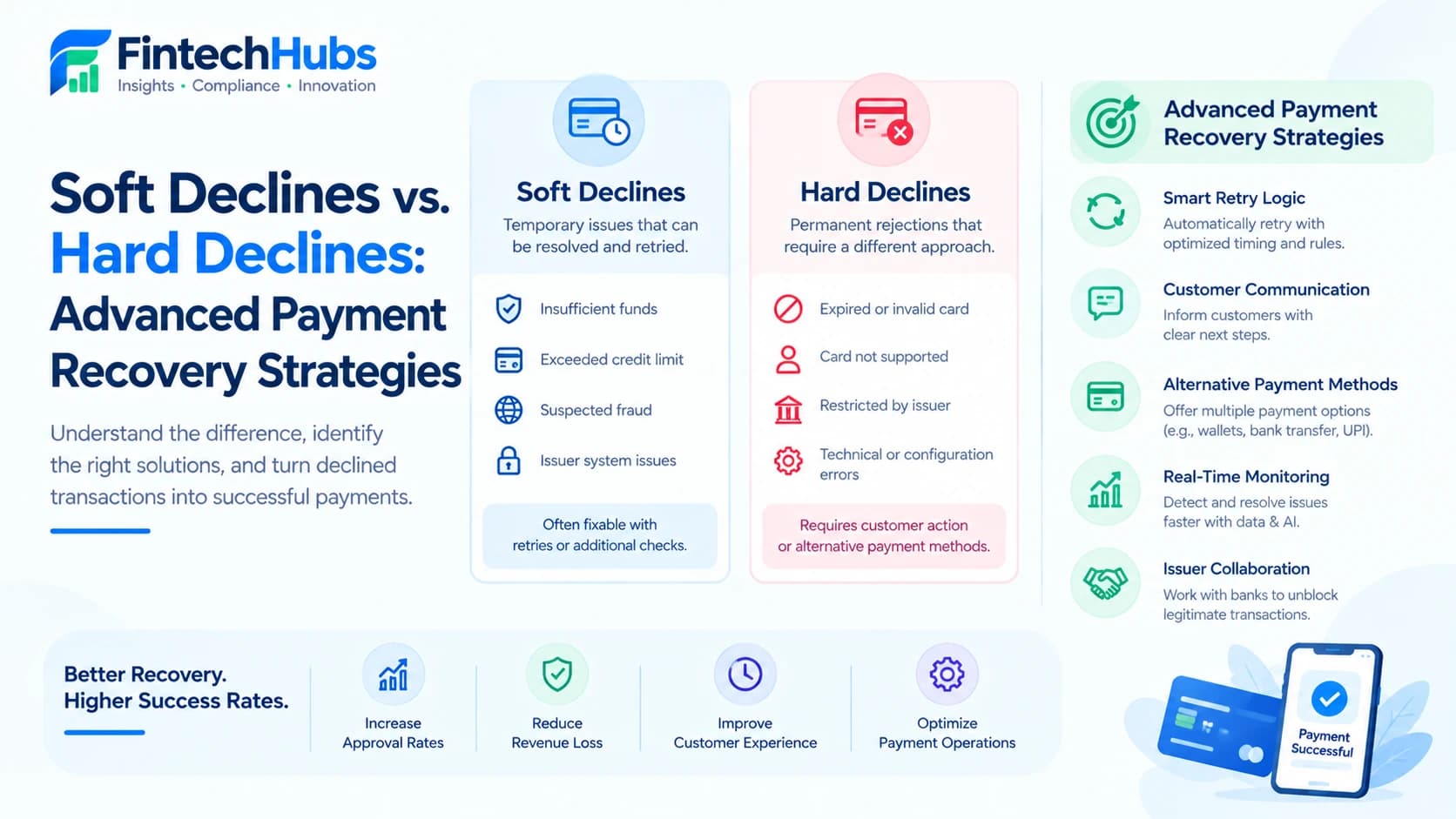
Soft vs Hard Declines: Advanced Payment Recovery Guide
Soft vs hard declines explained: Visa and Mastercard retry rules, smart retries, network tokens, 3-D Secure, dunning, recovery metrics, and 10 FAQs.
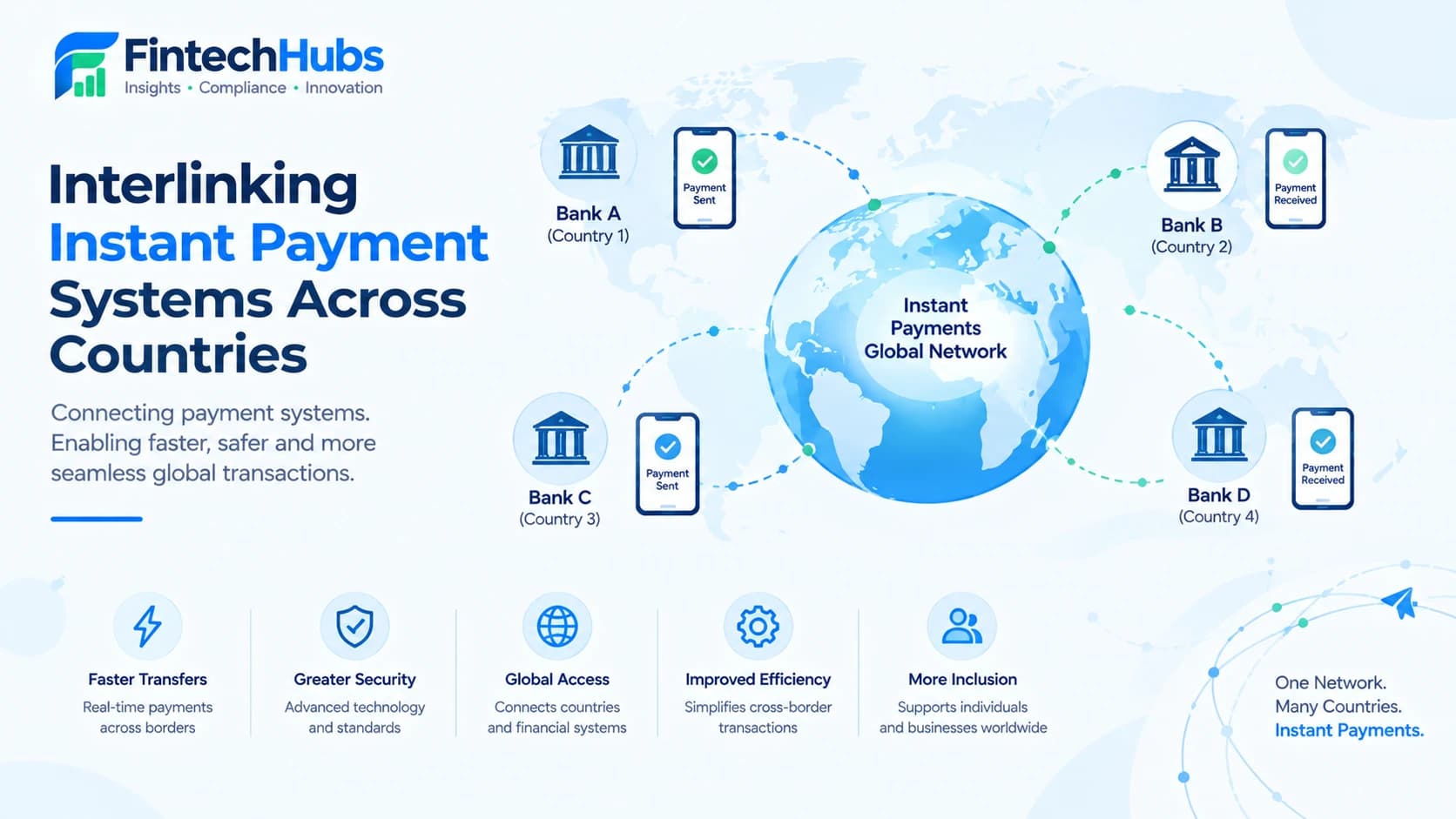
Interlinking Instant Payment Systems Across Countries
How countries link instant payment systems: bilateral links, Nexus, UPI-PayNow, risks, compliance, operations, a rollout roadmap, and 10 FAQs.
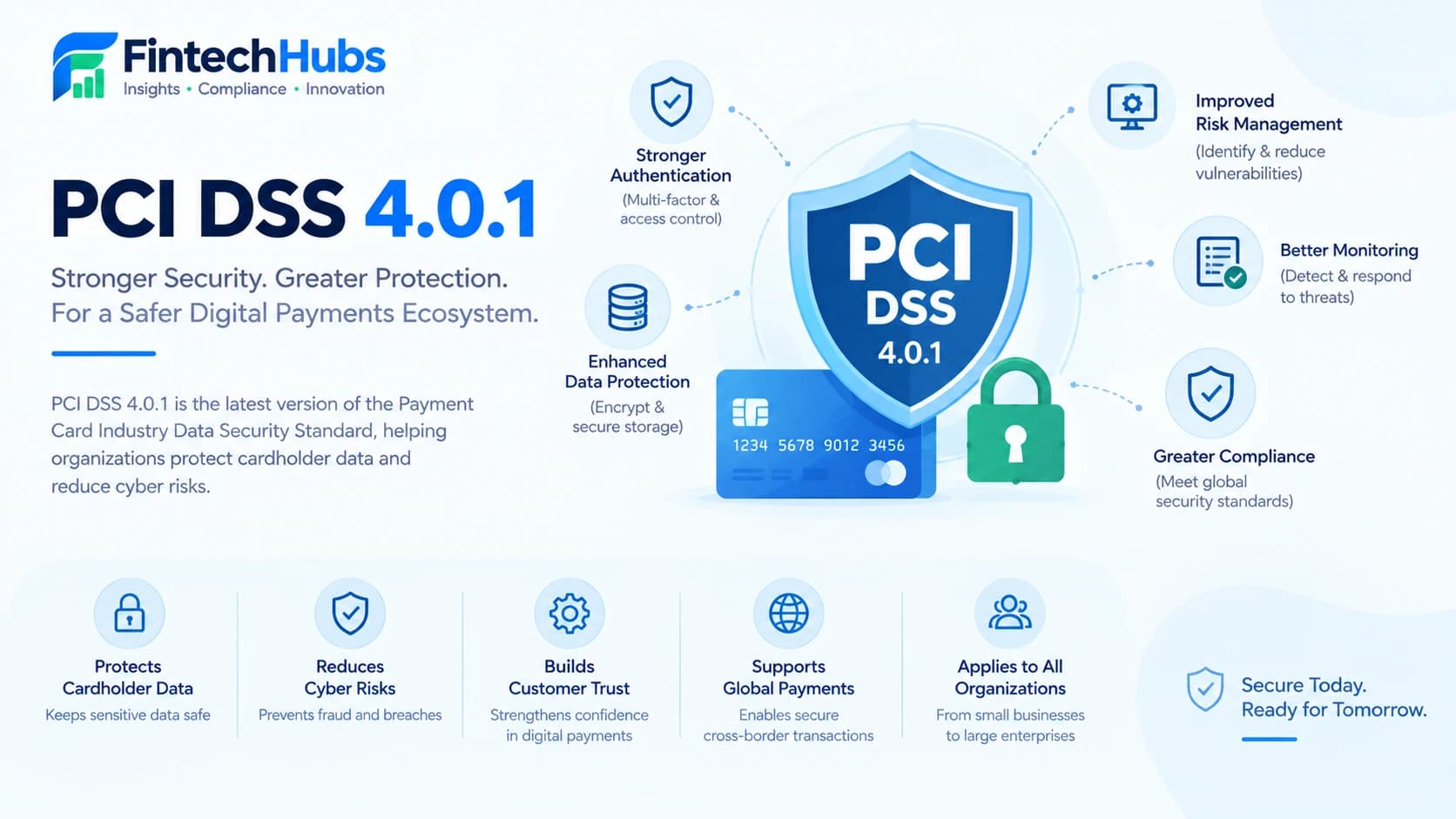
PCI DSS 4.0.1: Technical Requirements for Modern Payments
PCI DSS 4.0.1 explained: 12 requirements, MFA, payment page scripts, cloud and API compliance, scope reduction, a rollout roadmap, and 10 FAQs.